

Ever wondered why some vinyl graphics stay vibrant and intact for years, while others end up cracked and faded? The answer often lies in the type of vinyl used. With countless vinyl manufacturers on the market today, it can be challenging to ensure you’re getting a high-quality product—let alone the right product for your application. Vinyl is a versatile and popular material used across various industries, from eye-catching signage and business advertising to durable vehicle and fleet wraps. However, not all vinyl film is created equal.
Choosing the right type of vinyl film is crucial for ensuring the longevity and effectiveness of your projects. Not only that, but mistakes can be costly and removal can be time-consuming. In this article, we’ll explore the key differences between cast and calendered vinyl, how they’re made, their best uses, and some top product recommendations from our industry professionals.
Vinyl Film in the Sign Industry
Vinyl, also known as polyvinyl chloride (or PVC), has a significant history within the sign industry. The introduction of the first lightweight and durable adhesive vinyl film in 1958 revolutionized signage by offering vibrant colors and long-lasting durability outdoors. In the 1980s, the introduction of digital vinyl cutting machines enabled precise cutting of complex logos and text that could be applied on walls and windows. These advancements expanded the creative possibilities in the sign industry, allowing for more variety, customization, and detail in graphics and signage.
Today, vinyl is a leading material and the third highest-selling plastic in the world. There are countless vinyl film options available, and manufacturers are constantly developing new compositions, such as PVC-free, eco-friendly vinyl options.
Cast Vinyl: The Premium Choice
While both cast and calendered vinyl contain PVC as the main ingredient, the use of different additives and plasticizers in the manufacturing process results in different films with unique qualities and capabilities. On its own, PVC is a rigid plastic—plasticizers are what make the film flexible. The different grades of plasticizer used for vinyl film are polymeric, or “higher grade,” and monomeric, or “economy grade,” and have a great impact on the quality of the vinyl.
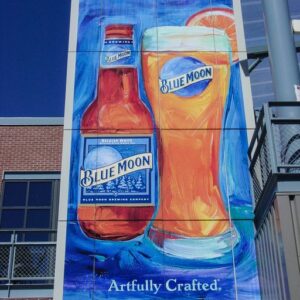
Manufacturing Process: Cast vinyl, often referred to as “premium vinyl film,” is named after the casting sheets used in production. PVC, polymeric plasticizers, dyes, and additives are first mixed together at a set speed and amount of time. Then the liquified mix, called organosol, is cast onto the casting sheet. The sheets are then processed through ovens in order to evaporate the solvents, leaving behind nothing but the film. The cast vinyl film is then rolled onto large-diameter cores.
Properties and Uses: Cast vinyl film is thinner, usually 1-2 mils thick, and longer-lasting than calendered film. There is also a wider variety of colors available. Cast vinyl has higher durability and stretch, and can conform to substrates with complex curves and corrugations. Cast vinyl is known to provide a smooth, glossy finish.
Some common uses for cast vinyl film are outdoor graphics and advertisements, because they have much better UV resistance than calendered films. Cast films can last 7+ years outdoors with proper care, making them a great option for vehicle, fleet, and boat wraps. Most wrapped luxury vehicles are wrapped using cast film, because of its high-quality, paint-like finish and easy removal.
Cast Vinyl Recommendations:
- Vehicle Wraps: For long-term vehicle wraps, especially on complex surfaces, cast vinyl is the go-to option. It offers superior conformability and durability.
- Outdoor Signage: For signage exposed to the elements, cast vinyl ensures weather resistance and vibrant colors.
- Long-Term Projects: Any high-end, detailed project requiring a flawless finish and an extended lifespan will benefit from cast vinyl.
Calendered Vinyl: The Economical Choice

Manufacturing Process: Calendered vinyl, also known as “economy grade,” is a more cost-effective option. Calendered film is made differently than cast film and uses economy grade plasticizers. The ingredients are mixed, then kneaded and melted, and extruded. The melted PVC is then passed through big heated steel rollers, stretching and forming the vinyl into a thin sheet in a process called “calendering.” The result is a thicker film that is easier to handle.
Properties and Uses: Calendered vinyl is a stiffer film, and is usually 2.5-4 mils thick. Although there are fewer color options than cast films, calendered vinyl is a better option for flat and simple surfaces. Due to its thickness, it does not stretch out of shape and has a higher resistance to abrasion.
Common uses for calendered vinyl film include pre-spaced lettering or graphics, as well as decals. It is also easier for beginners to handle because it is thicker. Calendered vinyl has an average lifespan of 3 to 6 years and works well for full and partial vehicle and fleet wraps on simple surfaces, indoor signage, banners, and graphics.
Calendered Vinyl Recommendations:
- Indoor Signage: For temporary or semi-permanent indoor signage on walls, windows, banners, and floors, calendered vinyl is cost-effective and easy to apply.
- Simple Surfaces: Best suited for applications on flat or slightly curved surfaces such as trailers, or for decals and cut and apply letters.
- Short-Term Promotions: For promotional graphics that need to be changed frequently, calendered vinyl offers an economical solution.
Choosing The Right Vinyl Film For Your Project
When it comes to choosing the right vinyl for your project, these are some important factors to consider:
- Environment: Potentially the most important factor to consider is how often your vinyl will be exposed to the sun. For outdoor applications and vehicle applications, cast vinyl is the better option and can last much longer outdoors. Calendered vinyl can crack, fade, and peel when exposed to the sun for too long, and can be very difficult to remove.
- Surface: The application surface is very important to take into consideration. If the surface is mostly flat and simple, a calendered film may be the better option. If you are dealing with a complex surface and need something stretchy, flexible, and conformable, cast film would be the best choice.
- Cost: Choosing the most cost-effective option is key for any business or customer, but it is important to avoid making decisions based on price alone. Removal of the wrong product can be costly and time consuming – which is why it is important to consider all factors and get the right product for your application the first time, even if it costs more.
- Longevity: The timespan of your project is also an important factor to consider. Identifying the goal of your application and how long you want it to last will help in deciding on the best product. For short-term projects, calendered vinyl is a great option. For a long term project, cast vinyl film will provide longevity, durability, and maintain premium quality.
Our Industry Pro Recommendations
Here are some of our top vinyl film recommendations from our industry professionals:
Cast Films:
Calendered Films:
- General Formulations Digital Print Films
- MacTac 9800PRO High Performance Vinyl
- AD HP750 High Performance Cut Vinyl Film
To Wrap Things Up
When it comes to choosing the right vinyl, the choice between cast and calendered vinyl depends on your project’s specific goals. Cast vinyl offers premium quality and durability for long-term projects and complex surfaces, while calendered vinyl provides a cost-effective solution for short-term and simpler applications. As the vinyl industry continues to innovate, we can expect to see even more specialized vinyl films on the market.
There are also many new vinyl companies and manufacturers. These companies often deceive customers by making claims that their calendered films are made from durable, premium vinyl much like that of a cast vinyl. Always remember to do your research and avoid shopping with unfamiliar brands. Shopping with well-known, reliable manufacturers like 3M, Avery Dennison, Arlon, General Formulations, and MacTac is the best way to ensure you are getting the quality product that will be best for your project.
Need Help Choosing the Right Vinyl Film?
At American Sign Products, our team of industry professionals is here to help you choose the right vinyl for your project.
Contact us today for a free consultation and to explore our range of high-quality vinyl products from top manufacturers. Let us assist you in making your next project a success!